
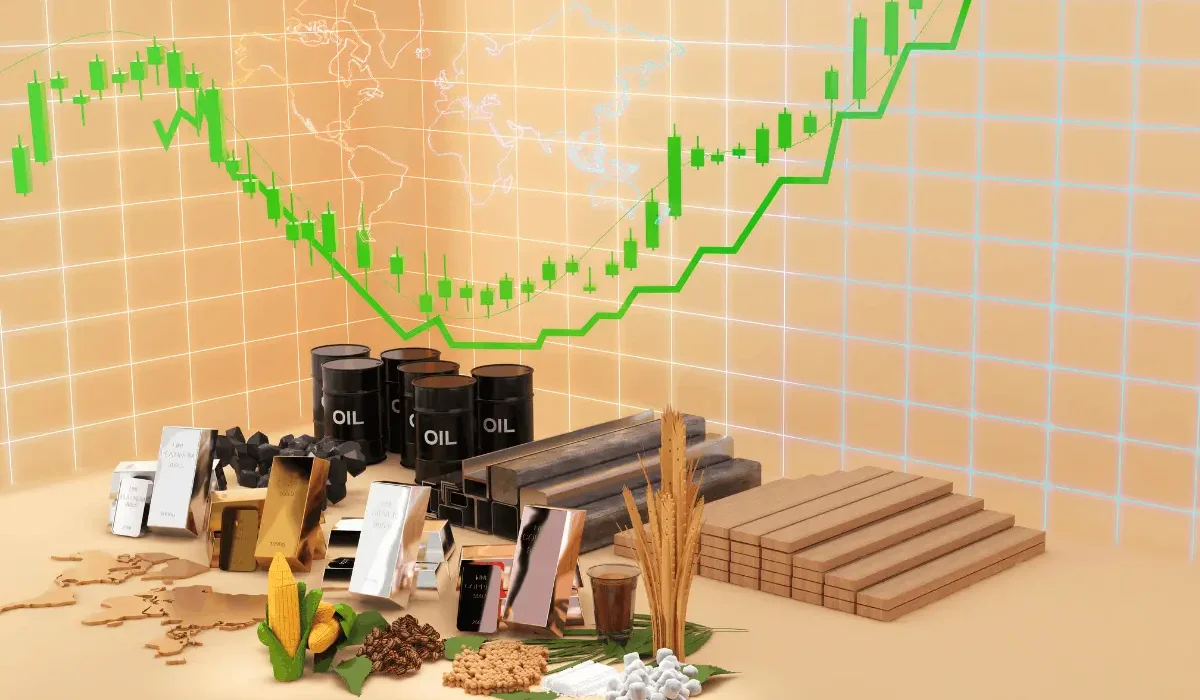
Commodity trading has traditionally been built on relationships, market knowledge and the ability to move goods efficiently from one geography to another. Those fundamentals have not disappeared. What has changed is the amount of information available—and the speed at which markets react to it.
Today, commodity prices are influenced by a combination of raw-material availability, freight rates, currency movements, energy costs, weather patterns, trade regulations, geopolitical developments and shifts in downstream demand. A sourcing decision made purely on yesterday’s price can quickly become an expensive decision tomorrow.
Data is becoming a commercial advantage
In a data-driven trading environment, the value of intelligence lies not in having more numbers, but in knowing which numbers matter.
For example, a buyer evaluating imported pulp or packaging board may need to look beyond the quoted product price. Ocean freight, port congestion, currency fluctuations, lead times, supplier capacity and inventory carrying costs can materially change the actual economics of a transaction.
This is where market intelligence becomes commercially relevant. Historical pricing can reveal patterns. Freight data can indicate changing landed costs. Supplier and regional analysis can identify concentration risks. Demand signals can provide early indications of tightness or oversupply.
From price discovery to risk discovery
Modern commodity trading is increasingly about identifying risk before it becomes visible in the purchase order.
A lower-priced supplier may not necessarily be the most competitive option if the supplier has inconsistent lead times, limited production flexibility or a long logistics route. Similarly, the cheapest origin may not remain the cheapest once freight, duties, financing and inventory exposure are considered.
The better question is therefore not, “Who has the lowest price?” but, “Which sourcing option creates the strongest commercial outcome?”
Technology still needs human judgement
Data can identify patterns, but it cannot replace commercial judgement.
Commodity markets remain influenced by events that cannot always be modelled perfectly. Regulatory changes, geopolitical disruptions, unexpected production shutdowns or sudden changes in freight availability can alter market conditions rapidly.
That is why strong commodity trading combines technology with market understanding, supplier relationships and execution capability.
At Kalpataru Global, this approach is central to how we view global sourcing: market intelligence, regional knowledge, logistics insight and supplier relationships must work together to convert complex markets into dependable supply.
The future of commodity trading will not belong simply to those with access to more data. It will belong to those who can turn data into better decisions.

0 Comments